An Innovative ICECD Approach to Women’s Economic Empowerment and Inclusive Development
For decades, poverty has remained one of the greatest barriers to inclusive economic growth. While economic development has lifted millions out of poverty, large sections of rural families, tribal communities, urban slum dwellers, and marginalized youth continue to struggle with irregular income, unemployment, and limited access to productive opportunities.
Women, in particular, bear the heaviest burden of poverty. They are expected to provide food, healthcare, education, clothing, and emotional security for their children, often with little or no financial resources of their own. Irregular earnings from male family members frequently make it difficult for households to survive with dignity.
The challenge, therefore, is not merely creating employment – it is creating sustainable livelihoods.
This is the philosophy that has guided the International Centre for Entrepreneurship and Career Development (ICECD) for nearly four decades.
Through this article, ICECD shares its experience, lessons learned, and an innovative development model with policymakers, financial institutions, donor agencies, development practitioners, civil society organizations, CSR foundations, and international organizations committed to poverty alleviation and women’s economic empowerment.
Poverty Alleviation through Entrepreneurship – not Charity
ICECD firmly believes that poverty cannot be eliminated through subsidies alone.
People do not remain poor because they lack ability. They remain poor because they lack – opportunities, entrepreneurial skills, access to finance, market linkages, technical knowledge, and institutional support. The real challenge is therefore not discovering untapped potential – but creating pathways that allow disadvantaged people to convert their potential into productive enterprises.
This belief became the foundation of ICECD’s innovative approach towards micro-enterprise creation.
A Model Tested through Practice and Institutionalization
Between 1996 and 1999, ICECD implemented an innovative pilot programme supported by the Commonwealth Secretariat and Youth Ministry of India which was adjudged the Best Project in Asia, which still continues.
The programme focused on – rural youth, tribal communities, urban slum dwellers, unemployed men and women from economically weaker sections. More than 60 percent of the participants were women, reflecting ICECD’s strong commitment to gender-inclusive development.
The project demonstrated that two factors determine the long-term success of any micro-enterprise: Enterprise Development Training & Mentoring and Access to Sustainable Microfinance. It does not work effectively in isolation. When combined, they become powerful instruments for poverty alleviation amongst communities.
Capacity Building before Credit
One of ICECD’s most important innovations has been its philosophy of “Training Before Lending.”
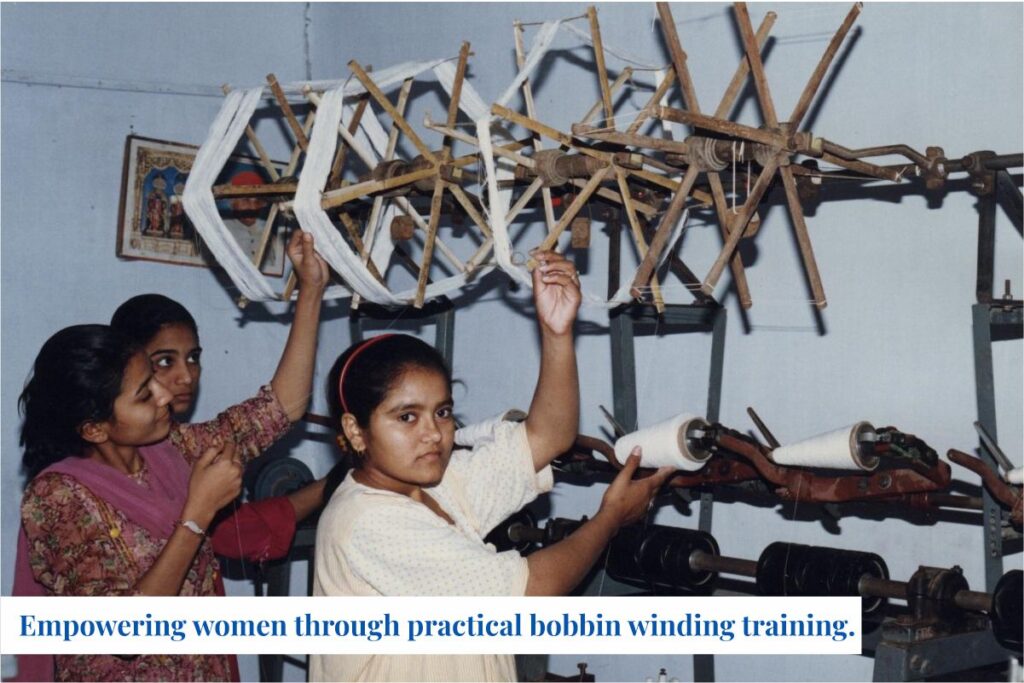
Rather than distributing loans first, ICECD invests in developing entrepreneurial capability. Participants receive – entrepreneurship development training, technical skill development, business planning, financial literacy, enterprise management, market assessment, bookkeeping, quality improvement, production planning, and customer management
Women are also encouraged to break away from traditional gender stereotypes and confidently enter new business sectors. Only after acquiring these capabilities are entrepreneurs linked with microfinance. This dramatically improves enterprise survival.
Women at the Centre of Economic Transformation
Women have always been the central pillar of ICECD’s development strategy.
For many poor households, women are the real managers of family welfare. They ensure that children receive food, education, healthcare, and emotional support despite severe financial limitations. When women become entrepreneurs, the entire household benefits.
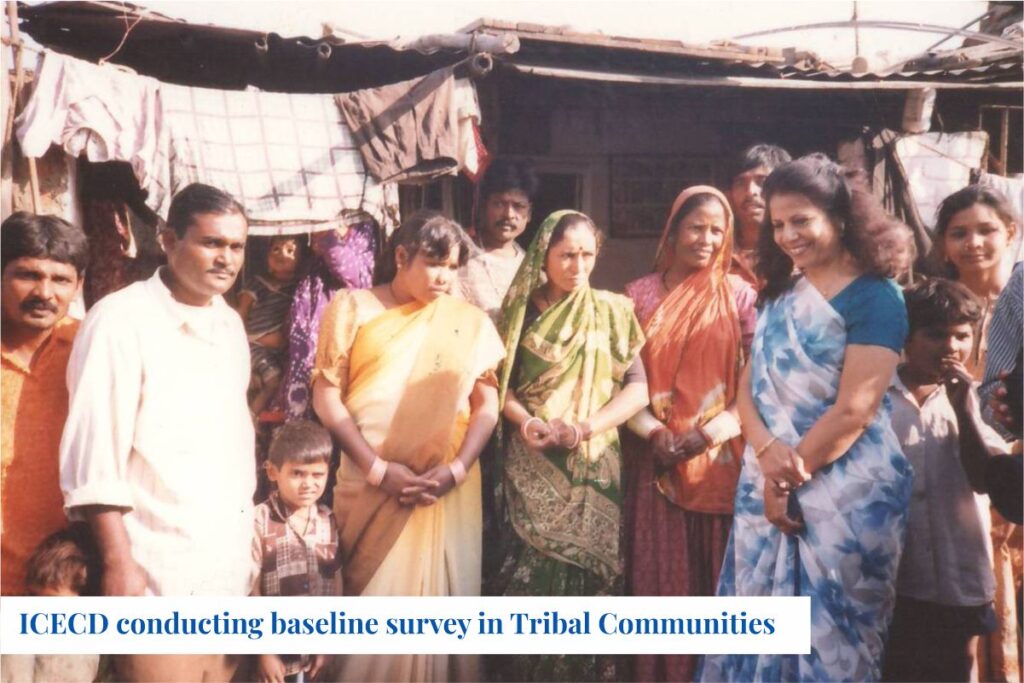
ICECD’s gender-sensitive and gender-specific approach has enabled thousands of women to move from dependency to financial independence. Instead of relying upon uncertain daily wages, women began generating regular income through their own enterprises.
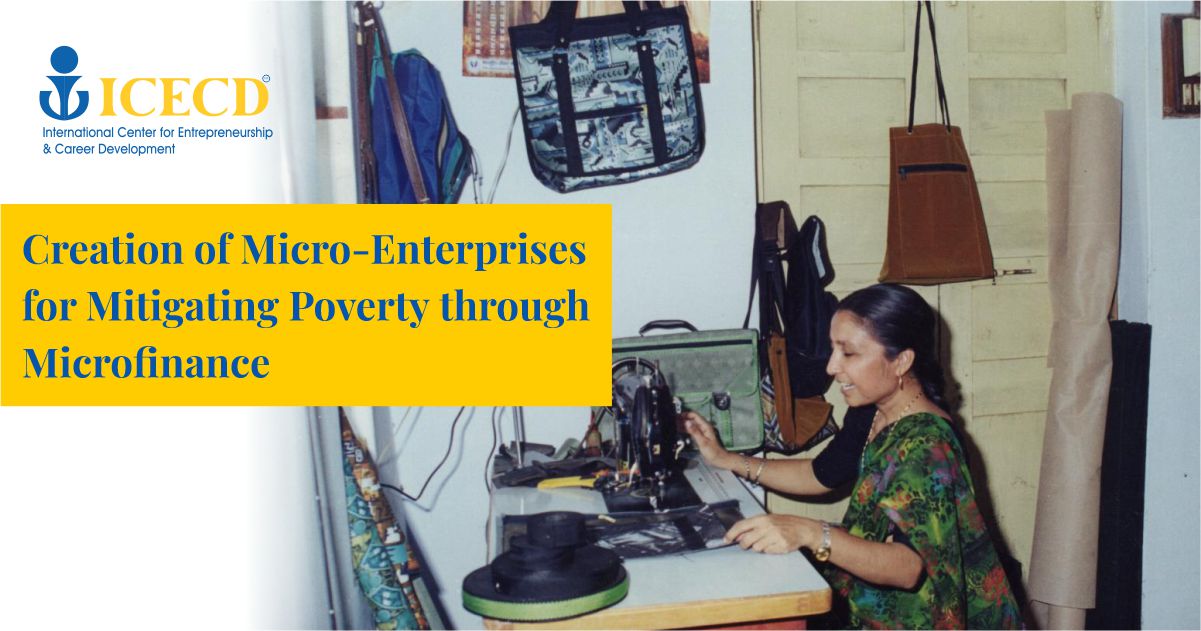
Many entered sectors traditionally considered unsuitable for women. Examples include – Stapler pin manufacturing, Naphthalene ball production, Grey board box manufacturing, Electrical circuit board assembly, Food processing, Agricultural enterprises, Trading businesses and Service enterprises. These enterprises transformed not only family income but also women’s social status, decision-making ability, confidence, and leadership within households and communities.
Rural Enterprise Development for Women and Youth
The ICECD model recognizes that rural youth and women represent one of the largest untapped economic resources. This training programme provides – Skill & Enterprise Development education including Market Management, Financial Management and Business Management
This integrated ecosystem enables participants to establish viable enterprises instead of temporary self-employment. Many of these enterprises continue successfully today and encouraging the second-generation entrepreneurs, where children of the original beneficiaries have expanded family businesses into larger ventures.
Enterprise Diversification Creates Economic Resilience
Another strength of the ICECD approach is diversification.
Entrepreneurs have established businesses across – Manufacturing, Trading, Services, Agriculture, Food Processing, Repair Services, Household Products, and Rural Industries. This diversification reduces market risk while creating local employment and strengthening rural economies.
Sustainable Microfinance: Beyond Credit Distribution
One of the most innovative features of ICECD’s programme is its self-sustaining revolving microfinance system.
Unlike conventional grant-based programmes, the revolving credit corpus became financially self-sufficient. Entrepreneurs first repaid their initial loans before becoming eligible for larger loans. This created – financial discipline, responsible borrowing, strong repayment culture, and continuous recycling of funds. As repayments accumulated, the revolving fund expanded without continuous dependence on external donor support. This made the programme financially sustainable while continuously increasing outreach.
From “Unbankable” to Bankable Entrepreneurs
Perhaps the most significant achievement of the programme has been transforming excluded communities into mainstream economic participants. Within one to two years, entrepreneurs developed – credit discipline, business records, financial confidence and enterprise stability. Within two to three years, many successfully transitioned from informal microfinance to formal banking institutions.
The journey from “unbankable” to “bankable” represents one of the strongest indicators of sustainable economic inclusion.
Measuring Impact Beyond Income
While income growth has been substantial, the programme’s real success extends much further.
The model has contributed to – Reduction in household poverty, Regular family income, Better nutrition, Improved school attendance, Better healthcare access, Women’s leadership, Greater gender equality, Increased household assets, Expansion of enterprises, Local employment generation, Community confidence, and Inter-generational entrepreneurship.
Poverty reduction is therefore measured not only by income but also by dignity, resilience, and opportunity.
Lessons for Policymakers and Development Agencies
ICECD’s experience offers several important lessons:
- Entrepreneurship should become a central pillar of poverty alleviation.
- Women-led enterprise development creates stronger social and economic outcomes.
- Capacity building must precede credit.
- Microfinance should promote enterprise growth rather than consumption.
- Revolving credit funds can become financially self-sustaining.
- Micro-enterprises should gradually transition into the formal financial system.
- Enterprise diversification enhances resilience and local economic development.
- Long-term mentoring is as important as access to finance.
Looking Ahead
The creation of micro-enterprises is not simply an economic intervention. It is a process of restoring dignity, strengthening families, empowering women, creating opportunities for youth, and building resilient communities.
ICECD’s innovative model demonstrates that sustainable poverty alleviation is achieved not through dependency but through entrepreneurship, capability building, financial inclusion, and continuous mentoring.
As governments, donor agencies, development banks, CSR foundations, and international organizations seek scalable solutions for inclusive growth, the ICECD model offers a proven pathway that combines women’s economic empowerment, sustainable microfinance, rural enterprise development, and entrepreneurship into one integrated ecosystem.
The future of poverty alleviation lies not merely in financing the poor, but in enabling them to become confident entrepreneurs, productive citizens, and active partners in national development.